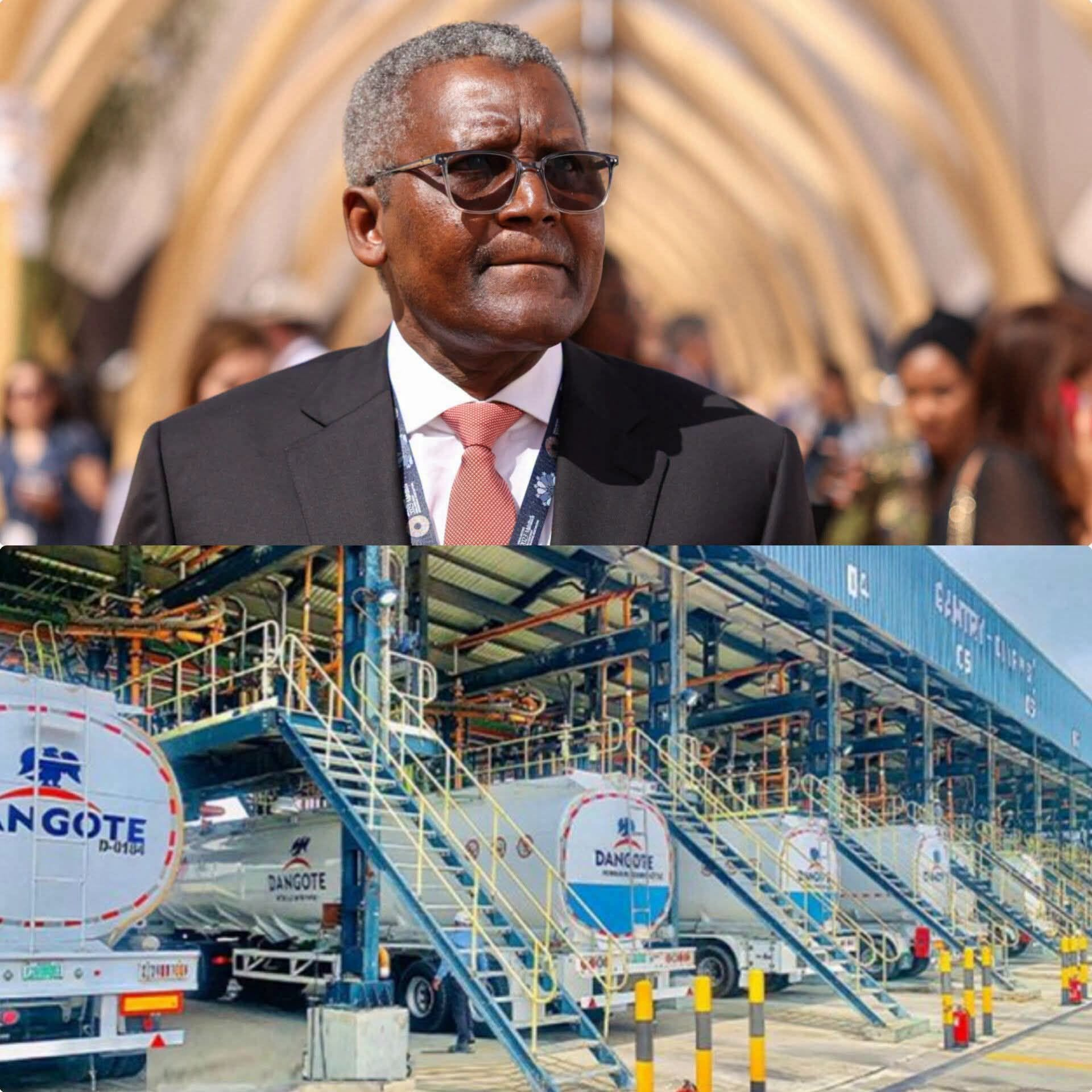
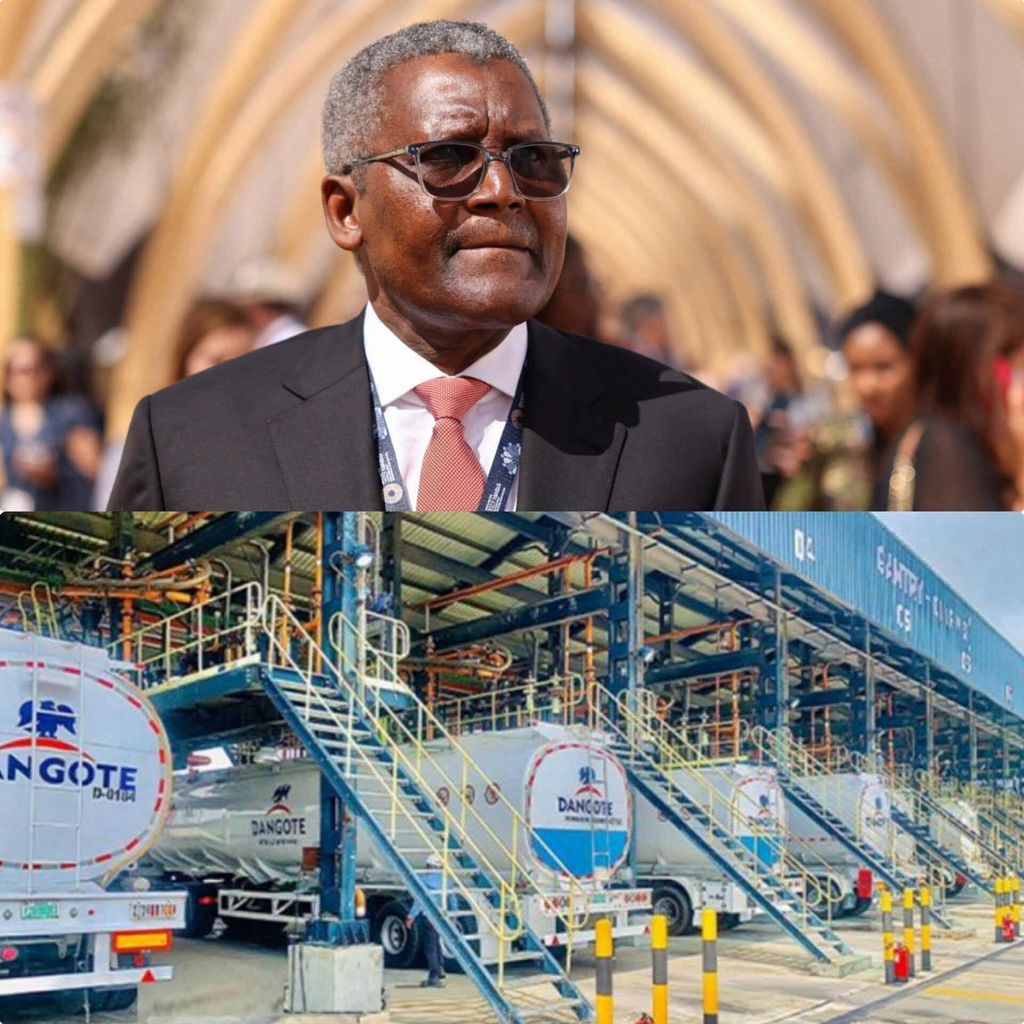
If Dangote is worth $38 Billion, why can’t he use money to build a refinery instead of borrowing? Net worth isn’t cash in the bank When Forbes or Bloomberg says Dangote is worth $51.3 billion (as of September 2026, per Forbes) or around $36.7 billion according to Bloomberg, that figure is almost entirely the market value of his shareholdings — mainly his stake in Dangote Cement, plus his interests in sugar, fertiliser, and now the refinery itself. It is not a pile of liquid cash sitting somewhere waiting to be spent. Most of that wealth is “paper wealth” tied up in the share price of publicly traded companies on any given day — which is also why his net worth has swung wildly, from $28.5 billion earlier in the year to over $51 billion after the refinery’s IPO. You can’t build a $20 billion refinery by selling off chunks of your cement company without crashing the share price and losing control of the business that generates your income in the first place. dangotes networth hits 51 3 billion as refinery ipo opens +2 The refinery cost was enormous — and grew The refinery cost around $20 billion and took eleven years to build, reaching a capacity of 650,000 barrels a day.
That single project alone would have consumed a huge share of even his peak net worth if paid entirely from personal funds — and doing that would have meant liquidating stakes in his other profitable businesses (cement, sugar, fertiliser) that actually generate the cash flow his empire depends on. guardian Why borrowing (leverage) makes more business sense Preserving ownership and control: Selling large stakes in Dangote Cement or other units to raise $20 billion would dilute his ownership and could mean losing control of businesses that took decades to build. Spreading risk: Debt financing (loans, bonds, export credit facilities from banks and institutions) spreads the financial risk across lenders rather than betting his entire personal fortune on one project. Using other people’s capital efficiently: This is standard practice for infrastructure-scale projects globally — even the wealthiest individuals and largest corporations finance megaprojects with a mix of debt, equity, and sometimes government-backed facilities, rather than 100% self-funding. Tax and return efficiency: Borrowed capital can be more efficient than liquidating appreciating assets, and interest on business loans is often tax-deductible. Keeping liquidity for operations: Businesses need working capital for day-to-day operations, emergencies, and other opportunities — tying up all personal wealth in one asset (a refinery) leaves no cushion.
The IPO confirms this Notice that even after the refinery was largely built and operational, Dangote didn’t simply “cash out” more of his own money — instead, Dangote Petroleum Refinery and Petrochemicals launched a public share offering on the Nigerian Exchange to raise fresh capital for expansion, in what’s expected to become Africa’s largest public share sale. This is a classic move: instead of funding growth entirely from personal wealth, you bring in public investors and lenders, which also validates the business and creates liquidity events. nairametrics In short: being “worth $38 billion” (or now more) doesn’t mean having $38 billion in spendable cash. Most of that value is locked in shares of his other companies. Building a $20 billion refinery purely from personal funds would have meant selling off the very businesses that made him wealthy in the first place — so a mix of debt, reinvested profits, and eventually public equity was the more rational path.
Leave a Reply